
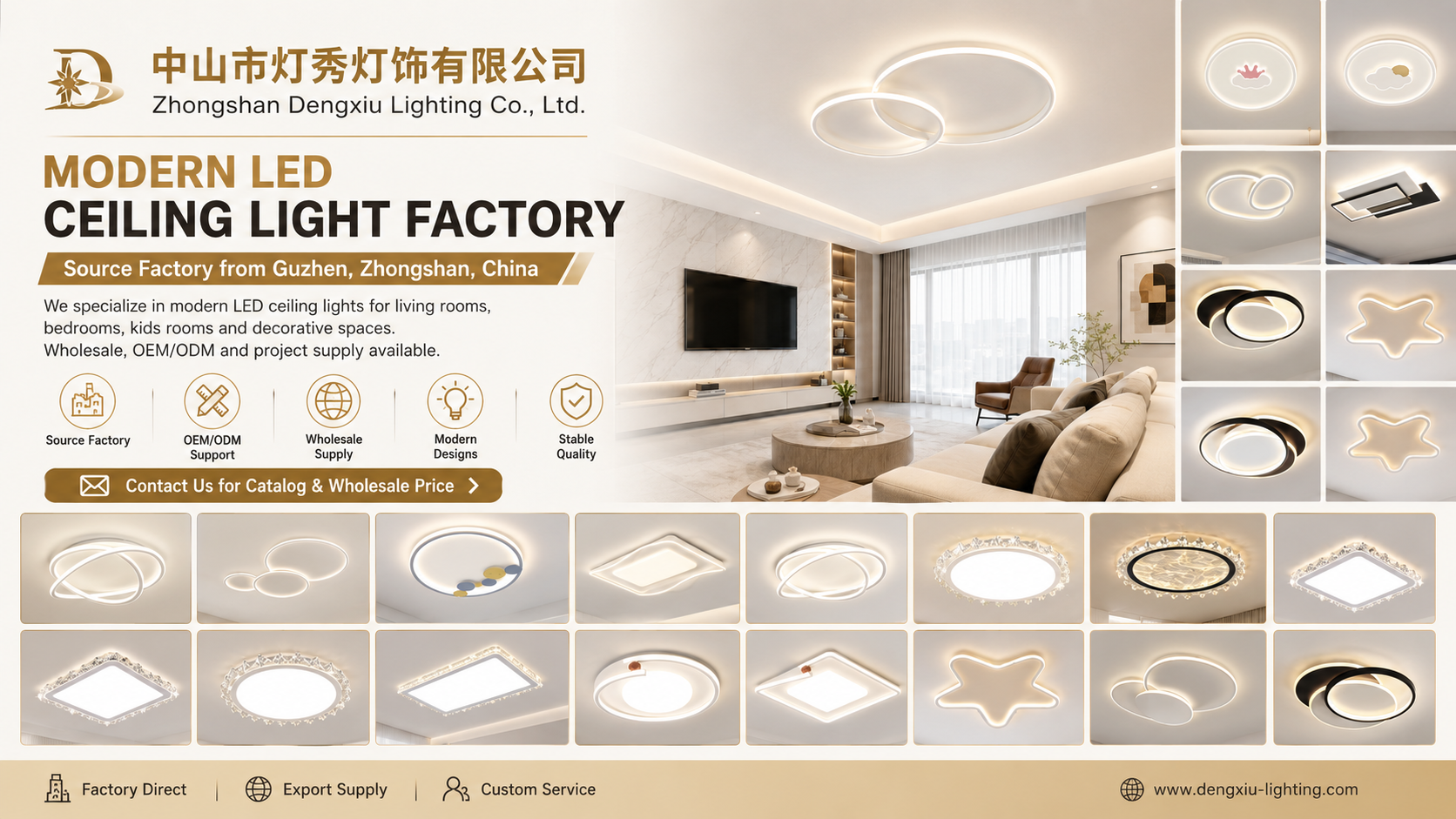


Home Lighting Tips
Lighting is one of the most influential elements in home design. While furniture, flooring, and decorative accessories contribute to the appearance of a space, lighting determines how those elements are experienced. Good lighting can make a room feel larger, warmer, brighter, and more inviting, while poor lighting can diminish even the most beautiful interior design.
Creating an effective lighting plan requires more than simply selecting attractive fixtures. Homeowners must consider functionality, atmosphere, energy efficiency, and design harmony. By understanding the principles of residential lighting, it becomes possible to transform any space into a comfortable and visually appealing environment.
This guide provides practical home lighting tips that can help improve every room in the house.
Start with Layered Lighting
One of the most important concepts in lighting design is layering.
Professional designers typically combine three types of lighting:
Ambient Lighting
Ambient lighting provides general illumination for the entire room.
Examples include:
- Ceiling lights
- Chandeliers
- Recessed lighting
Task Lighting
Task lighting supports specific activities.
Examples include:
- Reading lamps
- Desk lamps
- Under-cabinet kitchen lighting
Accent Lighting
Accent lighting highlights architectural features and decorative elements.
Examples include:
- Wall sconces
- Picture lights
- LED strip lighting
Combining these layers creates a balanced and flexible lighting environment.
Choose the Right Fixture for Each Room
Different rooms have different lighting requirements.
Living Room
Living rooms benefit from a combination of ceiling lighting, floor lamps, and accent lighting.
A chandelier or decorative ceiling light often serves as the focal point.
Bedroom
Bedrooms should prioritize comfort and relaxation.
Warm lighting and dimmable fixtures help create a peaceful atmosphere.
Kitchen
Kitchens require bright and functional lighting.
Task lighting is particularly important for food preparation areas.
Dining Room
A chandelier positioned above the dining table adds elegance while providing comfortable illumination.
Pay Attention to Color Temperature
Color temperature affects how a room feels.
Warm light creates a cozy environment, while cooler light enhances visibility and productivity.
As a general guideline:
- Warm White: Living rooms and bedrooms
- Neutral White: Kitchens and bathrooms
- Cool White: Offices and workspaces
Matching color temperature to room function improves both comfort and usability.
Use Dimmers Whenever Possible
Dimmers provide greater control over lighting intensity.
Benefits include:
- Energy savings
- Improved atmosphere
- Increased flexibility
- Enhanced comfort
A dimmable chandelier can create bright illumination during gatherings and softer lighting during quiet evenings.
Consider Ceiling Height
Ceiling height influences fixture selection.
Low ceilings typically require flush-mounted fixtures.
High ceilings can accommodate larger chandeliers and pendant lights.
Choosing appropriately sized fixtures ensures visual balance and optimal performance.
Highlight Architectural Features
Accent lighting can draw attention to:
- Artwork
- Decorative walls
- Shelving
- Staircases
- Textured surfaces
Strategically placed lighting adds depth and sophistication to interior spaces.
Embrace Energy Efficiency
Modern LED lighting offers significant advantages over traditional bulbs.
Benefits include:
- Lower electricity bills
- Longer lifespan
- Reduced maintenance
- Better environmental performance
Energy-efficient lighting supports sustainable living while reducing operating costs.
Incorporate Smart Lighting
Smart lighting systems provide advanced functionality.
Homeowners can control lights using smartphones, voice assistants, or automation schedules.
Smart lighting improves convenience while enhancing the overall user experience.
Balance Function and Style
A beautiful fixture should also meet practical lighting needs.
When selecting lighting products, homeowners should evaluate:
- Brightness
- Efficiency
- Durability
- Design compatibility
- Maintenance requirements
The most successful lighting solutions combine visual appeal with reliable performance.
Keep Lighting Consistent
Consistency helps create a cohesive interior design.
Using complementary fixture styles and coordinated finishes throughout the home improves visual harmony.
This does not mean every fixture must be identical, but they should work together as part of a unified design strategy.
Conclusion
Effective home lighting requires thoughtful planning and careful fixture selection. By combining ambient, task, and accent lighting, homeowners can create spaces that are comfortable, functional, and visually attractive.
From modern ceiling lights and luxury chandeliers to energy-efficient LED systems, the right lighting choices can dramatically improve the quality of everyday living.
A well-lit home not only looks better but also feels more welcoming, practical, and enjoyable for family members and guests alike.