


LED Lighting Guide
Lighting technology has evolved dramatically over the past two decades, and no innovation has had a greater impact on the industry than LED lighting. Today, LED technology powers homes, offices, hotels, shopping centers, and public spaces around the world. It has become the preferred lighting solution for homeowners, architects, interior designers, and commercial developers seeking energy-efficient, reliable, and aesthetically pleasing illumination.
LED, which stands for Light Emitting Diode, has transformed how people think about lighting. Unlike traditional incandescent bulbs that waste significant amounts of energy as heat, LEDs convert most of their energy into usable light. This results in lower electricity consumption, longer lifespan, and reduced maintenance costs.
As modern homes continue to embrace smart technology and sustainable living, LED lighting has become a key component of contemporary interior design. From ceiling lights and chandeliers to wall lamps and decorative fixtures, LEDs offer endless possibilities for creating beautiful and functional spaces.
Understanding LED Technology
LED lighting works through semiconductor technology. When electrical current passes through the semiconductor material, it produces visible light.
Unlike traditional bulbs that rely on heating a filament, LEDs generate light through a much more efficient process. This efficiency is one of the main reasons LEDs have become the dominant lighting technology worldwide.
The development of LED technology has allowed manufacturers to create lighting products that are brighter, more durable, and more versatile than ever before.
Why LED Lighting Has Become So Popular
Several factors have contributed to the rapid growth of LED lighting.
Energy Efficiency
LEDs use significantly less electricity compared to incandescent and halogen bulbs. This reduction in energy consumption helps lower utility bills while supporting environmental sustainability.
Long Lifespan
Quality LED fixtures can operate for 30,000 to 50,000 hours or more. This means fewer replacements and lower maintenance expenses.
Environmental Benefits
LED lighting reduces energy demand and carbon emissions. Many LEDs are also free from hazardous materials such as mercury.
Design Flexibility
LED technology enables manufacturers to create innovative lighting fixtures in a wide range of shapes, sizes, and styles.
Improved Performance
Modern LEDs offer excellent brightness, color accuracy, and lighting consistency.
LED Lighting in Modern Homes
Modern homeowners increasingly rely on LED lighting throughout their living spaces.
Living rooms benefit from LED chandeliers and ceiling lights that provide both decorative appeal and efficient illumination.
Bedrooms use warm LED lighting to create relaxing environments that promote comfort and better sleep.
Kitchens require bright and functional LED fixtures that support cooking and food preparation activities.
Bathrooms, hallways, staircases, and home offices also benefit from LED lighting solutions tailored to their specific needs.
LED Ceiling Lights
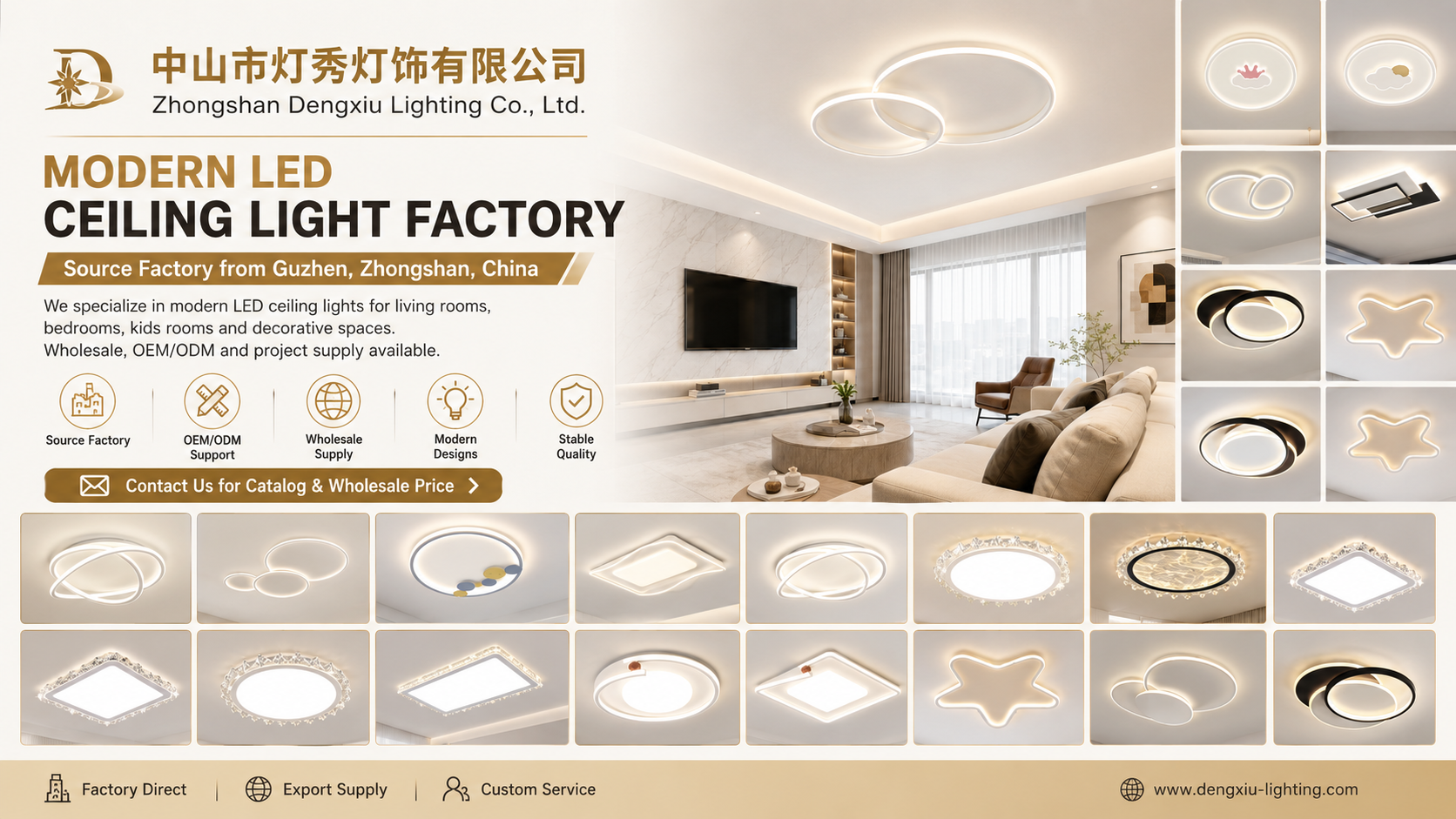
LED ceiling lights are among the most popular residential lighting products.
Their advantages include:
- Uniform light distribution
- Modern appearance
- Slim design
- Low maintenance
- Energy savings
Contemporary ceiling lights often feature integrated LEDs that eliminate the need for bulb replacement.
These fixtures are available in minimalist, luxury, and decorative styles suitable for virtually any interior design theme.
LED Chandeliers
Luxury lighting has embraced LED technology in recent years.
Modern LED chandeliers combine elegance with efficiency, offering homeowners sophisticated lighting solutions that consume less energy than traditional fixtures.
Popular designs include:
- Circular chandeliers
- Linear chandeliers
- Geometric chandeliers
- Crystal LED chandeliers
- Contemporary artistic chandeliers
These fixtures provide both visual impact and practical functionality.
Color Temperature and LED Lighting
One of the most important considerations when selecting LED lighting is color temperature.
Warm White
Warm white LEDs create a cozy and comfortable atmosphere.
They are ideal for:
- Living rooms
- Bedrooms
- Dining areas
Neutral White
Neutral white lighting provides balanced illumination suitable for everyday activities.
Common applications include:
- Kitchens
- Bathrooms
- Hallways
Cool White
Cool white lighting offers enhanced visibility and concentration.
It is frequently used in:
- Offices
- Workspaces
- Commercial environments
Choosing the correct color temperature can significantly improve the comfort and functionality of a space.
Smart LED Lighting
The rise of smart homes has increased demand for intelligent lighting systems.
Smart LED fixtures allow users to:
- Control lighting remotely
- Adjust brightness levels
- Change color temperatures
- Schedule lighting routines
- Integrate with voice assistants
These capabilities improve convenience while helping homeowners optimize energy consumption.
LED Lighting Trends for the Future
Several trends are shaping the future of LED lighting.
These include:
- Human-centric lighting
- Smart home integration
- Sustainable manufacturing
- Customizable lighting experiences
- Advanced energy management
As technology continues to evolve, LEDs will remain at the forefront of lighting innovation.
Conclusion
LED lighting has fundamentally changed the way people illuminate their homes and workplaces. Its combination of efficiency, durability, flexibility, and modern design makes it the ideal choice for contemporary living.
Whether incorporated into ceiling lights, chandeliers, wall lamps, or decorative fixtures, LED technology offers exceptional value and performance.
As consumers continue to prioritize sustainability and smart living, LED lighting will play an increasingly important role in shaping the future of interior design.